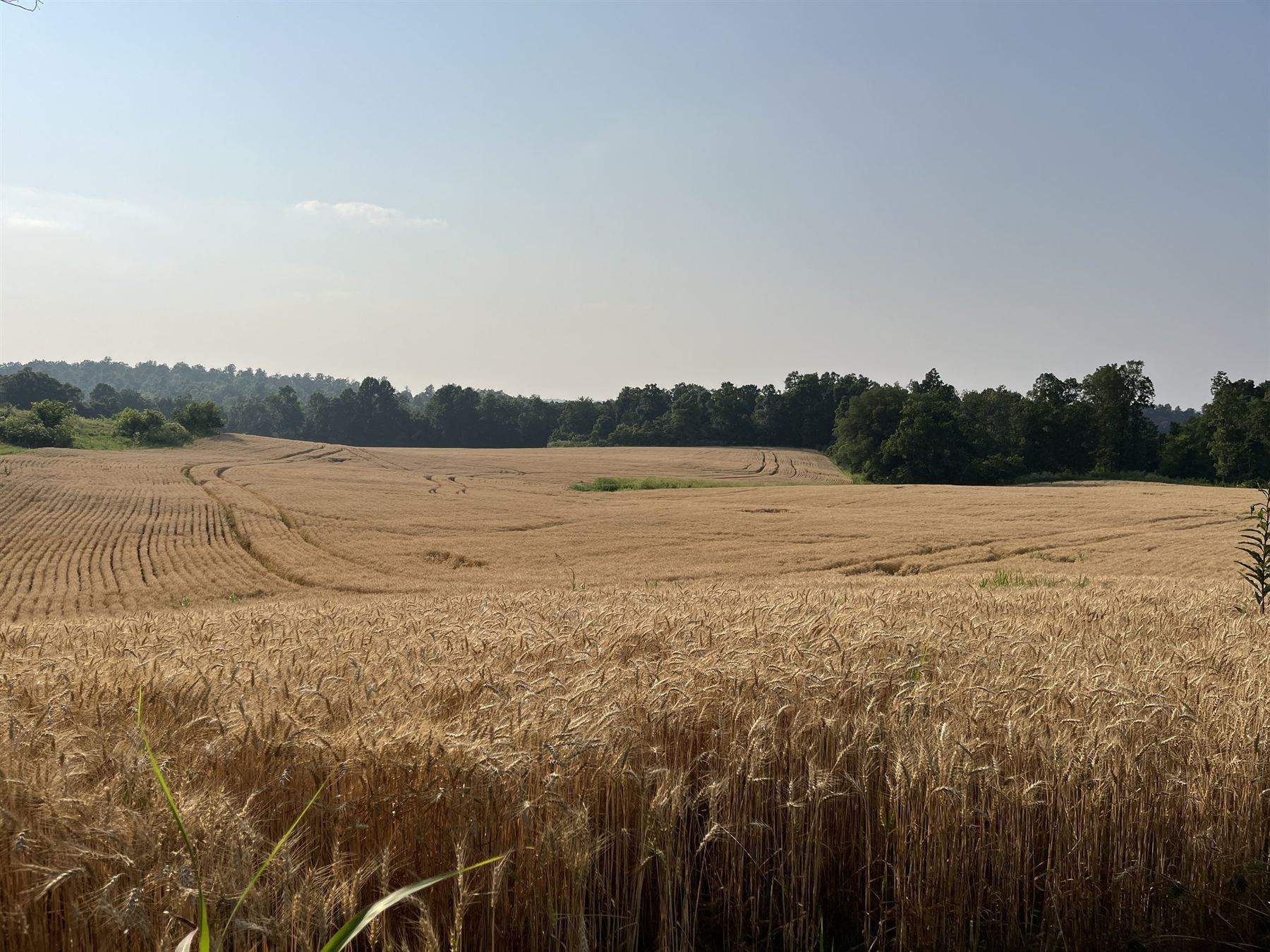
Financing that fits the farm you actually have.
First I learn your operation cold — the statements, the rent roll, the equipment notes, and the real story behind the hard years. Then I take it to lenders who can underwrite the farm as it actually is. If that stalls, we start moving pieces. All hands on deck — and I don’t let the file sit.
Trusted by lenders. Fighting for farmers.
Some banks say no.
Others ride the fence.
In this farm economy plenty of lenders decline outright. That happens, and it isn’t the end of the road. The harder situation is the one where nobody will say anything at all.
“Let’s revisit after harvest.” “Let’s wait on year-end numbers.” “Send one more document.” Underwriting is slow by nature, and every day of it lands on you, not the bank. Leases come up for renewal. Seed discounts expire. Vendors want paid. Prepay windows close.
Delay is a form of risk. The longer a file drags, the more fragile the farm gets — and that’s the part nobody underwrites.
When a lender is on the fence, structure is part of the answer — I think hard about how a deal could be built so the bank can get comfortable with it. But often the problem is simpler than that. You’re farming, and working a long list of lenders is a full-time job you don’t have. Or the accounting has gone stale and nobody has reconciled it into the form a bank expects to see. Or you want to run an idea past somebody who understands lending, privately, before you take it anywhere.
Any of those is reason enough to call. And once we’re working, I answer the credit officer’s question the day it’s asked, because you’re in the field and can’t.
Whatever it takes to make it work
I go all-in on your operation, which is why I only take on a few at a time. We start where you are, and if one door doesn’t open we go looking for another. Some situations genuinely can’t be solved, and I’ll tell you plainly if I get there — but not before I’ve chased down every path I can find.
Finance the operation you have
Before I call anyone, I learn the operation and the bind you’re actually in. Then I look for lenders who can underwrite the farm as it’s structured today — rented acreage, multiple entities, landlord arrangements and all. No forcing your operation into somebody’s template.
Financing →If it stalls, we move pieces
Look past the bank you started with. Find additional vendor credit. Refinance equipment to free up cash. Consolidate the debt stack. We work through every option we can think of long before anyone brings up selling ground.
Restructuring →Stay on afterward, if it fits
If we’ve enjoyed working together, and we both think I’m still bringing something useful to your situation, we can talk about my staying on — keeping the reporting in good order and the lender relationship on the best footing possible. Plenty of engagements go that way. It’s a conversation we’d have later, not an assumption built into the first one.
CFO Services →
Farmers need a loan. Lenders need clarity.
I translate between the two.
Because I’ve sat in both chairs — and lenders know it
Six steps, start to close
Understand the situation first
Every statement and schedule you have — and a long conversation about how you got here. I don’t call a lender until I understand both.
Build the lender-ready package
Clean, accurate, complete — and written in the language a credit committee actually uses.
Work a long list of lenders
Banks, life insurance company programs, specialty ag lenders, asset-based facilities, private credit. Whoever fits your situation and scale.
Walk them through it myself
The numbers, the history, the hard years, and the structure that addresses them. Questions answered same day.
If it stalls, change the picture
Non-traditional lenders, more vendor credit, an equipment refinance, a reworked ask. Then back to the list with a stronger file.
Support the negotiation
Structure the loan so a credit officer can say yes — and so the farm can live with the terms.
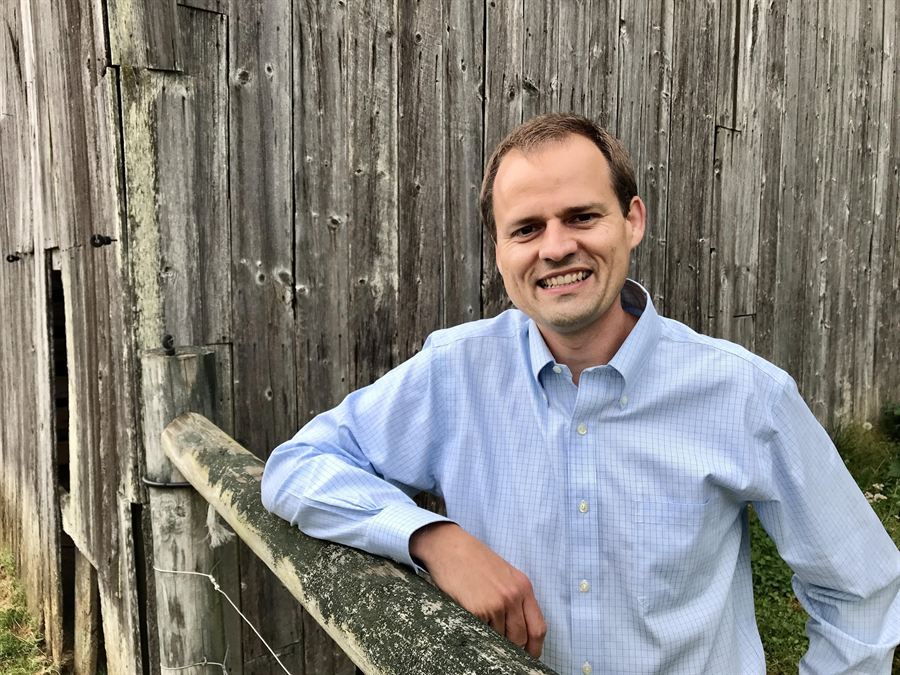
Matthew Falk, CFA
I started in agribusiness credit at MetLife, analyzing farm, dairy and food-processing loans from the lender’s seat. Then two years at a regional bank, managing a $130 million commercial real estate portfolio through the back half of the recession.
Since 2011 I’ve been CFO of a multi-entity grain operation in central Kentucky, and since 2015 I’ve done that same work independently for farms across Kentucky, Indiana, Illinois and Ohio — usually brought in when reporting has broken down or a lender relationship is under real strain.
Nothing you bring me is going to surprise me. Bring the real numbers — the messy ones — and we’ll start there.
Mostly grain — but not only
- Grain farms — corn, soybeans, wheat
- Organic grain operations
- Livestock and hog production
- Multi-entity and multi-owner operations
- Farms needing a new or renewed operating line
- Refinancing, restructuring, debt consolidation
- Operations in distress or working through bankruptcy
- Farms that simply want better books and a steadier lender relationship
Most of my work has been grain, though I’ve also handled a livestock operation and an organic grain operation, across Kentucky, Indiana, Illinois and Ohio. None of that is a hard boundary. If your operation is in another state, or grows something else entirely, it’s still worth a call.
Before you call
Are you a loan broker?
No. My engagement agreement calls the role finder and advisor. I identify and introduce lenders and present your financials, but I never sign anything on your behalf and I don’t make the credit decision. And I don’t just shop a file — if it won’t clear as it stands, I help you change what’s in it.
Can you guarantee a loan?
No. I can’t control a credit decision. I can control clarity, completeness and how fast questions get answered — and those decide more files than people think.
What if my books are a mess?
Most are. Several entities, different landlords, insurance claims, delayed payables. I don’t judge the numbers — I organize them so a lender can make a decision.
What does it cost?
Every operation is different, so I’d rather talk it through than post a number. We’ll cover scope and fee on the first call, before you commit to anything.
Farming doesn’t hold still. Neither does the financing.
Financing is the lifeblood of an operation, and keeping it in place is relentless work. A drought that runs three years instead of one. The rain that arrives exactly when it should and hands you a bumper crop. Grain and livestock prices that move on news from the other side of the world. Tariffs and wars that reprice fertilizer and diesel between the time you plan and the time you buy. Government payment programs that show up to cover a loss, in an amount nobody can tell you in advance. And lenders who are enthusiastic about agriculture one year and backing out of the sector the next.
None of that is a problem you solve once. It’s the condition you farm in.
And the people doing it have no easy exit. An operation big enough to need your full attention is one that gets it — seven days a week, for a working life, with no real line between a weekday and a weekend. Farming isn’t something you step away from for a couple of years to go take an office job; the operation won’t allow it and neither will the season. So what’s on the table in a financing conversation isn’t a quarter’s numbers. It’s whether a family keeps farming.
Which is why I don’t treat this as a transaction with a closing date on it. I’d rather be the person who already knows your numbers and your history well enough to be useful the next time the weather turns — because it will turn.
I’m not looking to get you through one loan. I’ll weather the storm alongside you — so that when the ag economy comes back and the rain arrives on time, your operation is in position to make the most of it.
Let’s talk before the window closes.
Tell me where the operation stands and what your lender has said. The first conversation costs nothing, and you’ll get my honest read on whether I can help and what I’d try first.